
Middle School Staffing Restored Following Community Pushback
Huntington Beach City School District Trustees ax plan to have two campuses share an assistant principal after parents, teachers, and students speak out.
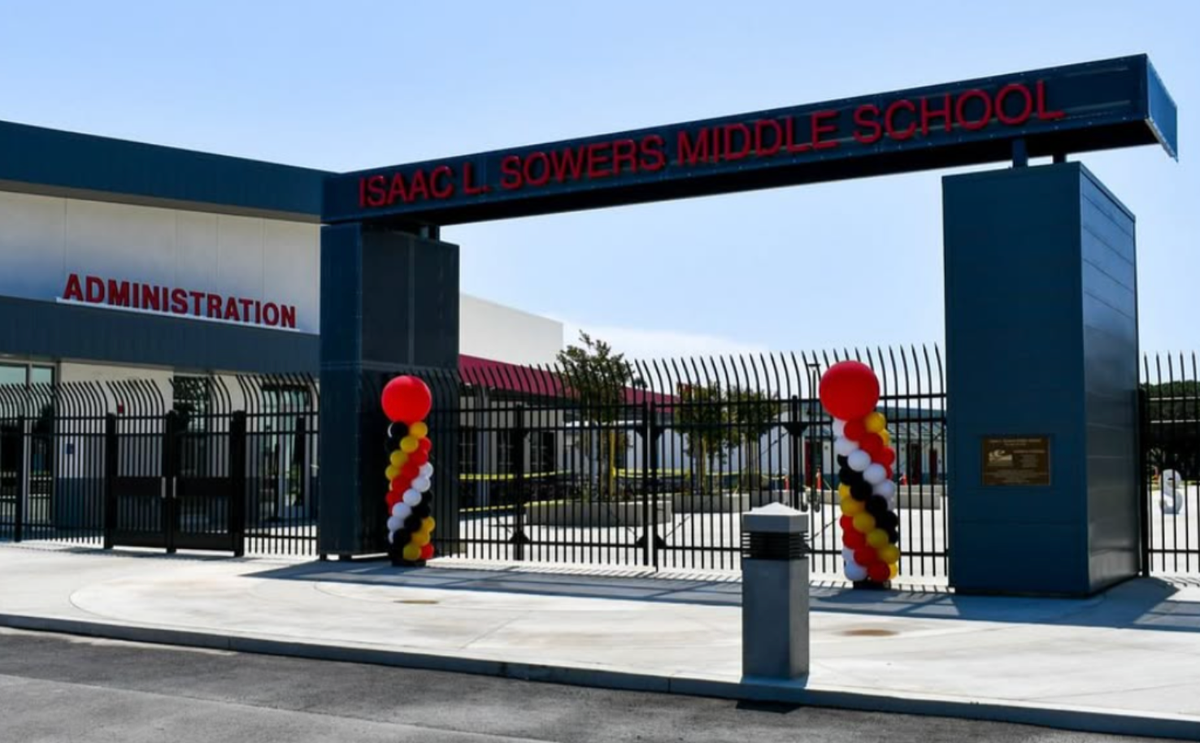
When students start the 2026-27 school year at Sowers Middle School in Huntington Beach on September 1 they will have two new assistant principals at the campus.
The Huntington Beach City School District recently hired Ammie Ibarra, Ed.D., and Mary J. Hazlett as the newest full-time administrators at the school.
That wasn’t a guarantee just a few months ago.
In June, parent group text threads buzzed and faculty rooms were filled with conversations surrounding an agenda item related to these positions at the June 9 HBCSD Board of Trustees meeting.
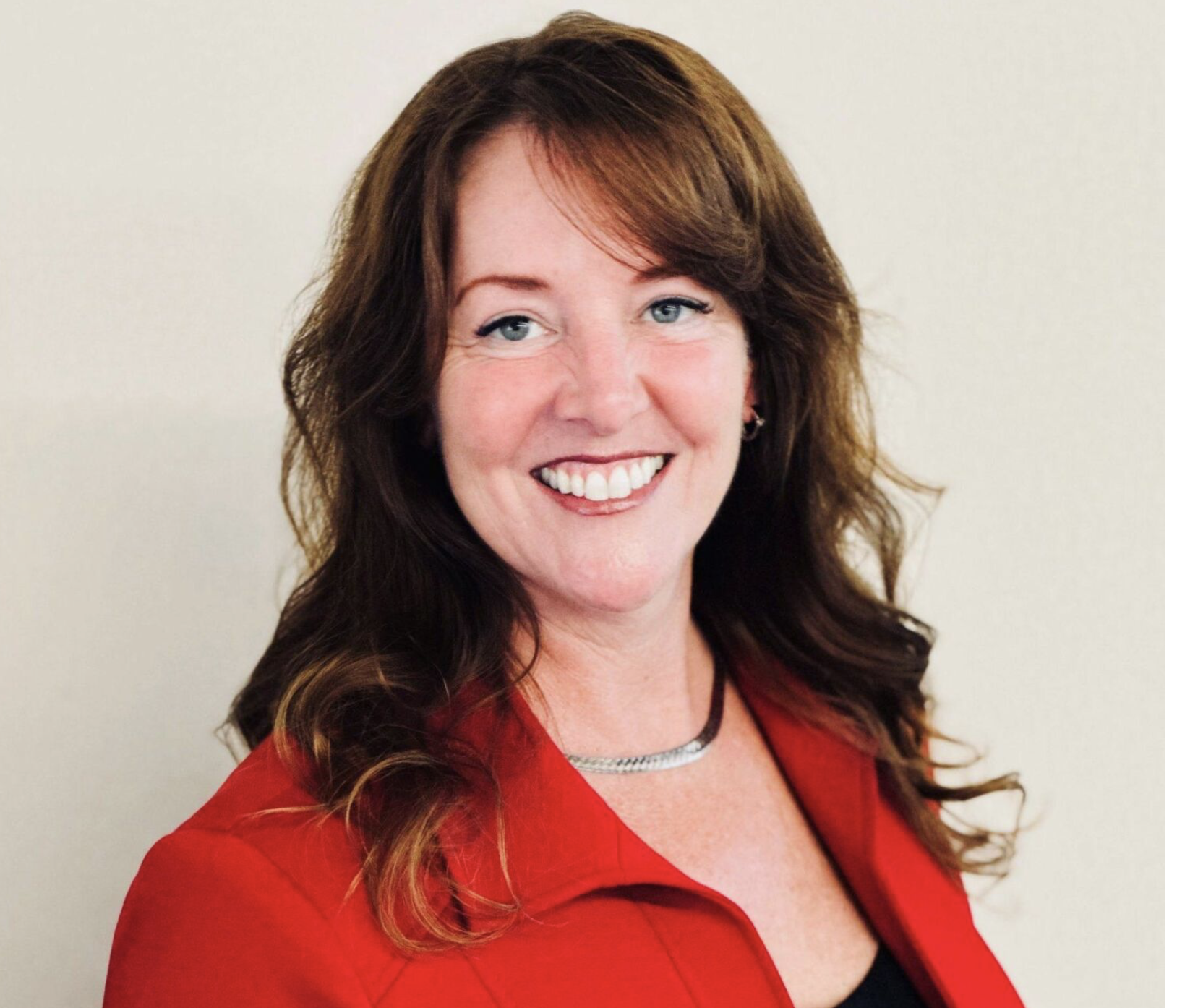
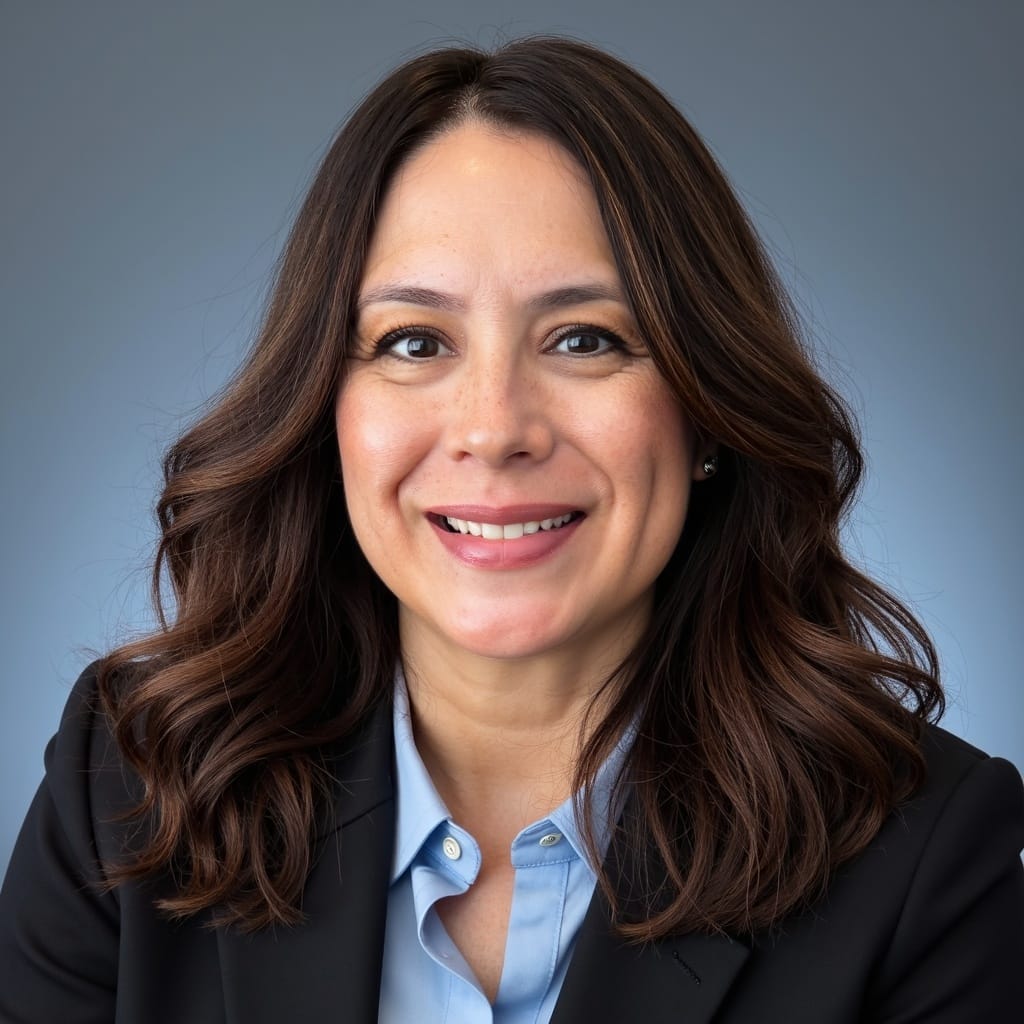
Mary J. Hazlett, left, and Ammie Ibarra, Ed.D., right, will serve as assistant principals full-time at Sowers Middle School starting in the 2026-27 school year. Photos courtesy of the Huntington Beach City School District.Imag
The community was reacting to a proposal in the Local Control and Accountability Plan (LCAP) — a California-mandated blueprint where districts must outline their goals and expenditures before adopting their annual budget.
The proposal aimed to save money by reducing staff at the district’s two middle schools, Dwyer and Sowers, which together serve roughly 1,600 students. When a full-time assistant principal (AP) at Sowers was promoted to a principal position at SeaCliff Elementary, administrators did not replace her. Instead, they proposed a sharing arrangement: each school would keep one full-time AP, but they would share a second part-time AP who would alternate back and forth between campuses.
To the community, the plan looked disastrous on paper. "Shuttling an administrator back and forth across town divides their focus when our kids need them most," said Lisa Moloney, a teacher at Dwyer Middle School. "It’s simply not realistic to expect one part-time person to successfully split themselves between two distinct, high-energy middle school campuses and still thrive."
A Generation with Changing Needs
The text threads quickly turned into a coordinated effort, resulting in hundreds of emails and a room full of community members eager to speak on the issue. During the designated 20-minute public comment session at the June 9 board meeting, trustees heard from Parent Teacher Association (PTA) members, retired educators, parents who work as school leaders, and the students themselves.
A central pillar of the public outcry focused on the shift in student demographics and their needs.
"The district keeps looking at overall numbers, but they are missing the reality of who is in our classrooms," argued Amy Rasmussen, a parent and Dwyer Middle School teacher. "While general enrollment has decreased over the last few years, the percentage of special needs students has significantly increased. We have more children than ever navigating severe learning and behavioral challenges, and they require a full administrative team to keep these schools functioning safely."
Another community member expanded on the administrative burden these changing demographics create. "Fewer overall students doesn't mean less work when the concentration of students with [Individualized Education Programs] and 504 plans is at an all-time high," they explained. "Every single one of these specialized learning plans legally requires extensive meetings with parents, teachers, and specialists. Assistant principals must attend these — often before and after school hours. Cutting an AP right now means drowning the remaining staff in legal paperwork, leaving them zero time to actually manage the campus."
In addition to specialized learning needs, speakers pointed to the influx of modern social challenges campuses are dealing with.
"The students and the world they live in are completely different than when I started teaching three decades ago," Jeff Riley, a teacher with 31 years of classroom experience at Sowers Middle School, stated. "Between navigating social media, smartphones, vaping, and rising mental health challenges, our administrators are on the front lines of a brand new landscape. We can barely keep up with these demands with a full staff — cutting our boots on the ground right now is fundamentally unsustainable."
A student from Sowers took the microphone to share how much the administrative presence impacts daily life, saying plainly, "If we lose an assistant principal, I just won’t feel as safe walking through the hallways."
A student from Dwyer shared an emotional story about how a health crisis kept him out of the classroom for months. "When I was dealing with my medical issues, the assistant principal was the person who helped me get through it, stayed in touch with my family, and made sure I didn't fall behind," he said. "Because she was there for me every single day, I'm still going to make honor roll and accelerated math, which is hard. I couldn't have done that without Mrs. Cronin, so I would very, very much like you to reconsider moving her to split between the two schools.”
Community advocate, parent, and local school principal Melaura Tomaino, Ph.D., stressed that budget adjustments should never start at the school site. "Our administrators are the bedrock of campus safety and emotional support," Dr. Tomaino argued. "If the district needs to bridge a budget gap, they should look at cutting administrative positions at the district office level first. Those roles don't see our kids face-to-face every day. Do not balance the budget on the backs of our middle schoolers."
The Board Reverses Course
Following the public comments, the board transitioned into its discussion period. Board Clerk Paul Morrow, Ed.D., opened the floor by acknowledging that his perspective had evolved. To set the stage, he asked Superintendent Leisa Winston, Ed.D., to explain the initial rationale behind the proposal, noting that the board relies heavily on the superintendent's office for financial data and recommendations.
Dr. Winston explained that the recommendation was strictly born out of fiscal necessity and regional data. "We are facing severe funding constraints that make our current middle school administrative staffing model difficult to sustain long-term," Dr. Winston stated. "When we looked at comparable middle schools across neighboring districts, many operate successfully with fewer administrators. The recommendation was an effort to align our expenditures with our budget realities."
However, as the trustees spoke one by one, it became clear that the raw numbers couldn't withstand the weight of human stories. The board said it often makes decisions based on top-down recommendations without the benefit of grassroots context — and the public hearing had changed their understanding of the campus reality.
“I would have to agree that we made that decision a little too quickly," admitted Trustee Diana Marks. "We thought we were being fiscally prudent and taking advantage of the opportunity that somebody was moving on to make that change.”
Board member Ana Sullivan then put forward the definitive directive, stating that the board needed to "undo what has been done and fill the position of assistant principal at Sowers Middle School."
The board voted unanimously to reject the shared-AP model, officially reinstating both positions to full-time status within the approved LCAP. Because of the community's intervention, both Sowers and Dwyer Middle Schools will head into the school year with their administrative support fully intact.